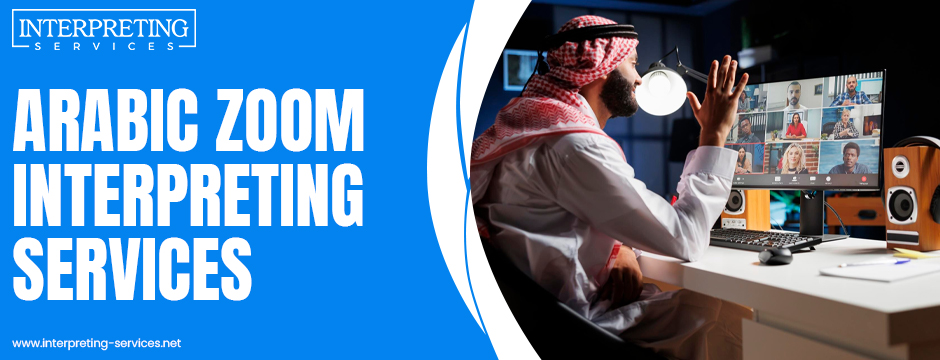
The rise of remote work has transformed how businesses communicate across borders. Companies now collaborate with employees, clients, vendors, and partners located in different regions of the world through virtual meeting platforms such as Zoom. As organizations expand into international markets, language barriers have become one of the biggest challenges to effective communication.
Arabic, one of the most widely spoken languages globally, plays a significant role in international business, government relations, healthcare, education, and legal sectors. As a result, Arabic Zoom interpreting services have become increasingly essential for organizations seeking seamless multilingual communication in remote work environments.
The Evolution of Remote Work and Global Collaboration
Over the past few years, remote work has evolved from a temporary solution into a long-term business strategy. Organizations now recruit talent from different countries, conduct virtual training sessions, host international conferences, and manage global teams entirely online. This shift has created a strong demand for language support services that enable smooth communication among participants who speak different languages.
Video conferencing platforms, particularly Zoom, have become central to daily business operations, making professional interpretation services more important than ever. Businesses operating in the Middle East, North Africa, and other Arabic-speaking regions frequently engage in virtual meetings with English-speaking stakeholders. Without professional interpretation, misunderstandings can occur, leading to reduced productivity, project delays, and communication gaps.
Why Arabic Is a Critical Language in Global Business?
Arabic is spoken by hundreds of millions of people across numerous countries and remains one of the most influential languages in international commerce, diplomacy, education, and healthcare. Organizations expanding into Arabic-speaking markets must ensure clear communication with local partners, customers, and government entities. Arabic continues to be recognized as a strategically important language in global business and international relations.
The language itself presents unique challenges because it includes multiple regional dialects alongside Modern Standard Arabic. An interpreter must not only understand the language but also recognize cultural nuances, industry-specific terminology, and regional linguistic differences. For businesses conducting virtual meetings with Arabic-speaking audiences, relying on automated translation tools often falls short. Professional Arabic interpreters provide accuracy, context, and cultural understanding that technology alone cannot replicate.
The Role of Zoom Interpretation in Remote Work
Zoom has introduced language interpretation features that allow organizations to host multilingual meetings, webinars, and conferences more effectively. Participants can choose dedicated language channels and listen to interpreters in real time, creating a more inclusive communication environment.
Arabic Zoom interpreters facilitate communication in various scenarios, including:
- International business negotiations
- Corporate training sessions
- Remote employee onboarding
- Virtual conferences and webinars
- Legal consultations
- Healthcare appointments
- Educational programs
- Government and diplomatic meetings
By providing live interpretation, professionals help participants communicate naturally without requiring fluency in a second language.
Benefits of Arabic Zoom Interpreting Services
Enhanced Communication Accuracy
Professional interpreters ensure that messages are conveyed accurately and completely. They understand industry terminology, business language, and cultural context, reducing the risk of misunderstandings.
In high-stakes discussions such as legal proceedings, healthcare consultations, or executive meetings, precision is critical. Professional interpretation helps preserve the intended meaning of every statement.
Increased Meeting Participation
When participants can communicate in their native language, they are more likely to engage actively in discussions. Arabic-speaking attendees can ask questions, provide feedback, and contribute ideas confidently.
This level of engagement improves collaboration and strengthens relationships among team members, clients, and partners.
Greater Accessibility and Inclusion
Remote workplaces are becoming increasingly diverse. Arabic Zoom interpreting services help organizations create inclusive environments where language differences do not prevent participation.
Employees, customers, and stakeholders can fully understand presentations, discussions, and training materials regardless of their language proficiency.
Cost-Effective Global Communication
Remote interpretation eliminates the need for travel expenses associated with in-person interpreting. Businesses can access professional Arabic interpreters from virtually anywhere while maintaining high communication standards.
Video Remote Interpretation (VRI) has become a preferred solution because it combines convenience with effective real-time language support.
Industries Driving Demand for Arabic Zoom Interpreting
Healthcare
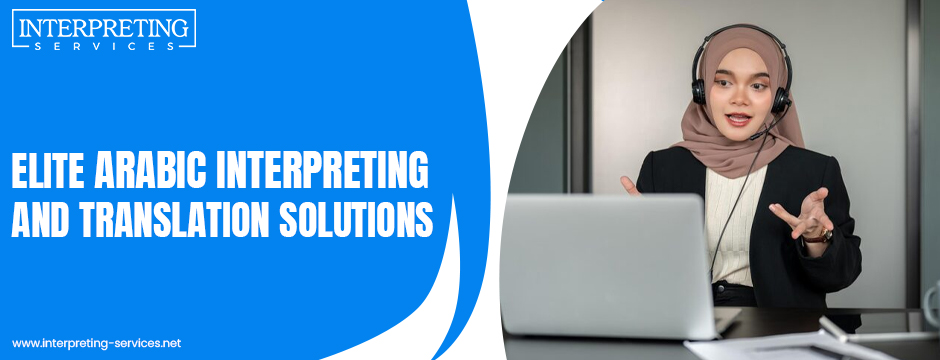
Healthcare organizations increasingly rely on remote consultations and telemedicine services. Elite Arabic interpreting and translation solutions help medical professionals communicate accurately with patients, ensuring proper diagnosis, treatment discussions, and informed consent.
Legal Services
Legal firms often conduct remote client meetings, depositions, and consultations involving Arabic-speaking individuals. Accurate interpretation is essential to maintain compliance, confidentiality, and fairness throughout legal proceedings.
Education
Universities, training providers, and educational institutions regularly host virtual classes and workshops. Arabic interpretation enables students and participants to fully understand course materials and engage effectively.
Corporate Business
Multinational companies operating across Arabic-speaking regions frequently require interpretation support during meetings, presentations, and negotiations. This demand continues to grow as organizations expand their global presence.
Government and International Organizations
Government agencies and international institutions often conduct multilingual virtual meetings involving Arabic-speaking representatives. Professional interpreters ensure smooth communication and accurate information exchange.
Why Human Interpreters Still Matter?
Although artificial intelligence and machine translation technologies continue to improve, they cannot fully replace professional interpreters. Human interpreters understand context, emotion, tone, cultural references, and industry-specific language. Arabic presents additional complexities due to its dialect variations and linguistic nuances.
Skilled interpreters can adapt to different dialects and communication styles while ensuring accuracy and professionalism. Specialized Arabic interpretation services often emphasize dialect expertise and cultural competence because these factors significantly impact communication quality. Furthermore, human interpreters can manage dynamic conversations, clarify ambiguities, and respond instantly to unexpected discussion topics, capabilities that automated systems still struggle to replicate consistently.
The Future of Arabic Zoom Interpreting
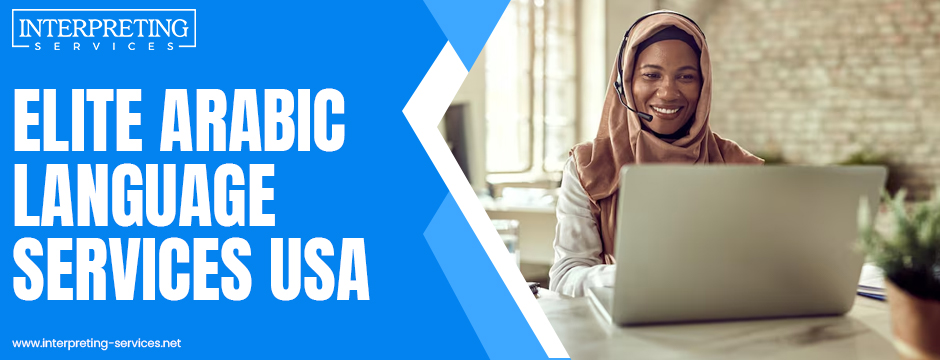
As remote and hybrid work models continue to expand, the demand for Elite Arabic Language Services USA is expected to grow substantially. Businesses increasingly recognize that effective multilingual communication directly impacts productivity, customer satisfaction, and global success.
Virtual meetings, webinars, and cross-border collaborations are now permanent components of modern business operations. Organizations that invest in professional interpretation services position themselves to communicate more effectively with Arabic-speaking audiences and build stronger international relationships.
Wrapping Up
The growing adoption of remote work has made professional Arabic Zoom interpreting services an essential resource for businesses, educational institutions, healthcare providers, legal organizations, and government agencies. Accurate interpretation helps eliminate language barriers, improve collaboration, and ensure meaningful participation in multilingual virtual environments.
For organizations seeking reliable Arabic language support, professional interpreting solutions can make a significant difference in communication outcomes. Our expert team at Interpreting Services provides specialized Arabic language services designed to help businesses and organizations communicate confidently across linguistic and cultural boundaries in today’s increasingly connected digital world.
FAQs
- What are Arabic Zoom interpreting services?
Arabic Zoom interpreting services provide real-time language interpretation during Zoom meetings, webinars, conferences, and virtual events. Professional interpreters help Arabic-speaking and non-Arabic-speaking participants communicate effectively without language barriers.
- Why are Arabic interpreting services important for remote teams?
Remote teams often include members, clients, or partners from different countries. Arabic interpreting services ensure accurate communication, reduce misunderstandings, improve collaboration, and help participants fully engage in discussions regardless of their language proficiency.
- Can Arabic Zoom interpreters support specialized industries?
Yes. Professional Arabic interpreters often have expertise in industries such as healthcare, legal services, education, government, and corporate business. They understand industry-specific terminology and cultural nuances, ensuring accurate and professional communication during virtual meetings.